
FOR ACTIVE INVESTORS MANAGING A $50K–$100K+ US STOCK PORTFOLIO
Get A Personalised Portfolio Review And Discover Exactly What To Buy, Hold & Sell
If the market is going up and your portfolio is flat or worse, you are losing money this year despite the market is doing fine, it is not bad luck.
It is that you own too many things you cannot fully explain, with no clear framework for what to do when things move against you.
You have 10 to 15 years to build something meaningful before retirement.
That is enough time if the next decision you make is the right one.
It starts with seeing your portfolio clearly.


If this sounds like you
The market was up this month and your portfolio is somehow flat.
You own positions you could not fully explain if someone asked you why.
The market is doing fine this year. Your portfolio is losing money. You do not understand why.
A stock hit your buy price and you froze. It recovered without you.
When the market drops you do not know whether to buy, hold, or cut, so you do nothing.
If two of those land, you are not bad at investing. You are missing one thing, and it is not more information.
What you are actually building
Picture opening your account and knowing, in one glance, why you own every position and which ones are doing the heavy lifting.
That is what changes when you stop collecting stocks and start owning a focused set of businesses you understand. Your portfolio stops drifting and starts building toward something: the retirement you actually want, on your terms, from a base that compounds for years instead of treading water.

Investing should feel clear, not complicated.
Most investing education treats you like you know nothing. This does the opposite. You are capable. You were just never handed a clear process for judging a company and sizing your bets.
Judge a Business with Confidence
A clear way to judge whether a business is worth your money, in plain terms, not jargon.
Build a Focused Portfolio
A focused portfolio of a few companies you understand, instead of 30–40 you cannot realistically track.
Stay Calm During Market Drops
A simple rule for what to do when the market drops, so a fall becomes a decision not a panic.
What we cover on your portfolio analysis
A process, not a checklist. Built to help you think clearly about your portfolio, reduce noise, and make confident decisions.
Diagnosis
Find out which positions you truly understand, and which ones you are only holding because of tips, hype, or fear of missing out.
Selection
Identify the few stocks that can actually move the portfolio, instead of spreading capital across too many average ideas.
Mapping
Study the business behind the stock including quality, valuation, growth drivers, risks, and fair price.
Strategy
Decide how much capital each idea deserves, when to add, and how to avoid over-committing to weak conviction.

Tony's Timeline
First 5 figure capital allocation
Healthcare, Facilities management. Tier: $20k - $50k portfolio.
"I had been in the market for over a year before I made my first real trade. Not a tip I followed. Not something I saw in a group chat. A decision I made myself, with a reason behind every part of it. That was the first time investing felt like something I actually controlled"
Tony had been in the stock market for more than 5 years. The results were never where he expected them to be. Eventually the frustration built up enough that he stepped away from investing entirely. When he came back, he came back differently. Instead of looking for the next idea to follow, he worked through the Conviction First framework and built his own reasoning for a position from scratch. Not a tip. A decision he could explain at every level, why the business was worth owning, what price gave him a genuine margin of safety, and exactly what would need to change for him to exit. He described it this way: for the first time, investing felt like something he actually controlled
Tony came to Conviction First on 10th Apr 2025 without a large portfolio , but with something more common and more difficult to solve: a track record of reactive decisions. He had been in the market long enough to know the pattern. Buy based on what others were saying. Watch it drop. Hold out of hope rather than conviction. Exit when it hurt enough with 90% decline. He had the capital, the time, and the interest.
Brenda’s Timeline
Training And Development Professional
Tier: $50k to $100k
"I had the savings. I had done the research. But when it came to actually putting real money in and holding through the noise, I kept finding reasons to hesitate or exit. The framework gave me a specific answer when doubt hit. And that changed everything"
Brenda joined in March 2024 with substantial savings she had not yet fully deployed. Not because she lacked capital, but because she lacked the conviction to commit it. She understood the concepts. She had read the right books. But when a position moved against her, or when someone she respected expressed doubt about a company she held, she had nothing to anchor her reasoning

She applied the framework to Apple, working through the business quality, the competitive moat, the financial health, and the valuation with a margin of safety she could defend.
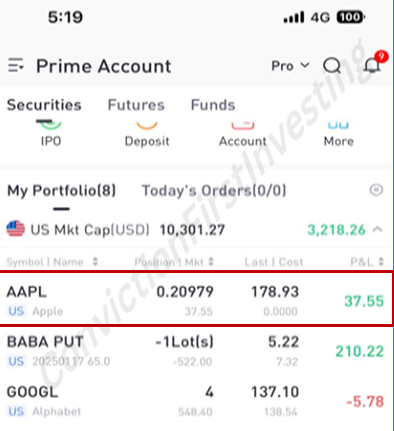
As her understanding of the business deepened, she added capital deliberately, not chasing price movement, but responding to conviction she had built herself. When Berkshire Hathaway reduced its Apple position, a move that caused many investors to exit, Brenda held. Her thesis had not changed.
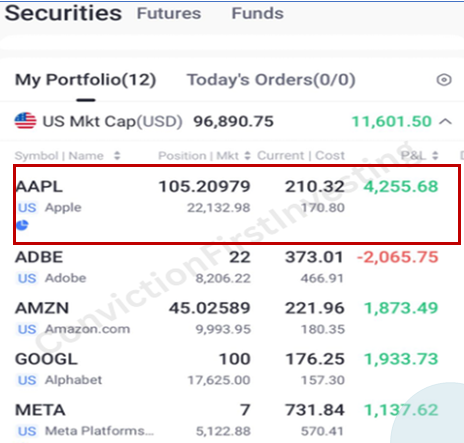
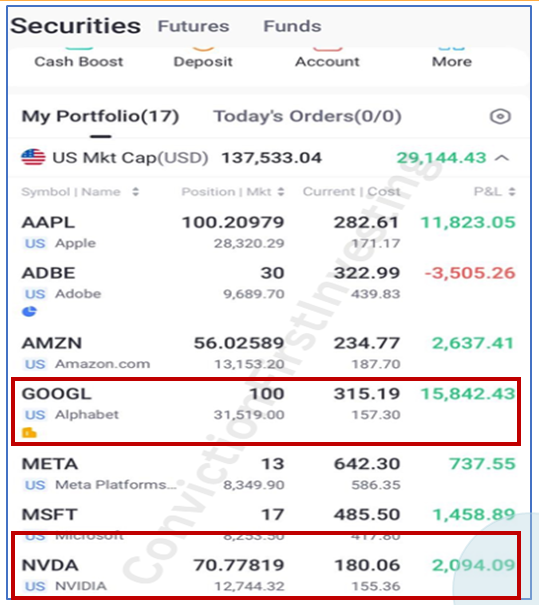
By 2nd December 2025, her Apple position had grown to five-figure profits. She subsequently applied the same process to Nvidia and Google, showing that what had changed was not her stock picks but her ability to make decisions she could stand behind.
Anna and Hong Keong Timeline
Tier: $50k - $100k
Married Couple
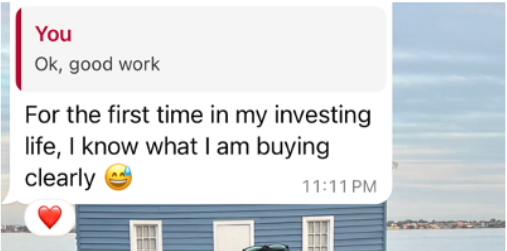
We had taken courses before. We had the notes, the templates, the spreadsheets. But every time we were about to make a real decision, we'd talk ourselves out of it or second-guess until we missed the move. The difference this time was that we didn't have to figure it out alone at the moment it counted
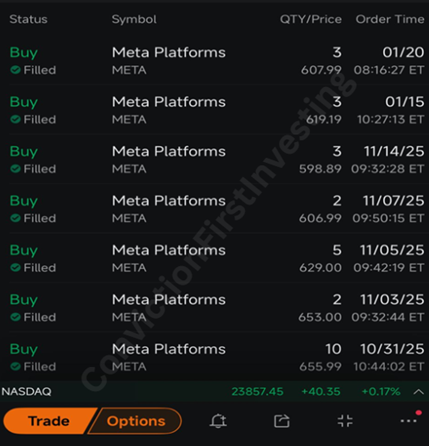
Anna and Hong Keong joined in June 2025, having already attended other investing courses and accumulated a collection of frameworks and tools they had not been able to apply consistently with real money. The gap was not knowledge, it was conviction under pressure.

The gap was not knowledge, it was conviction under pressure. In October 2025, they sold a position ahead of time and then watched it continue climbing without them. Their original thesis had been correct. What broke was not the analysis but the confidence to stay with it when price moved against them temporarily.
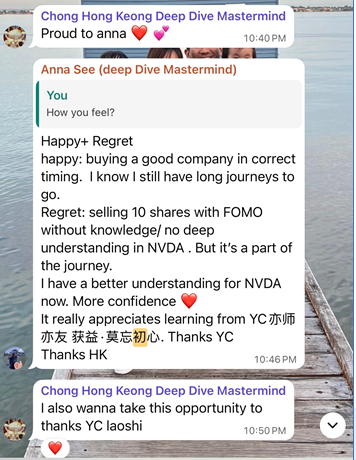
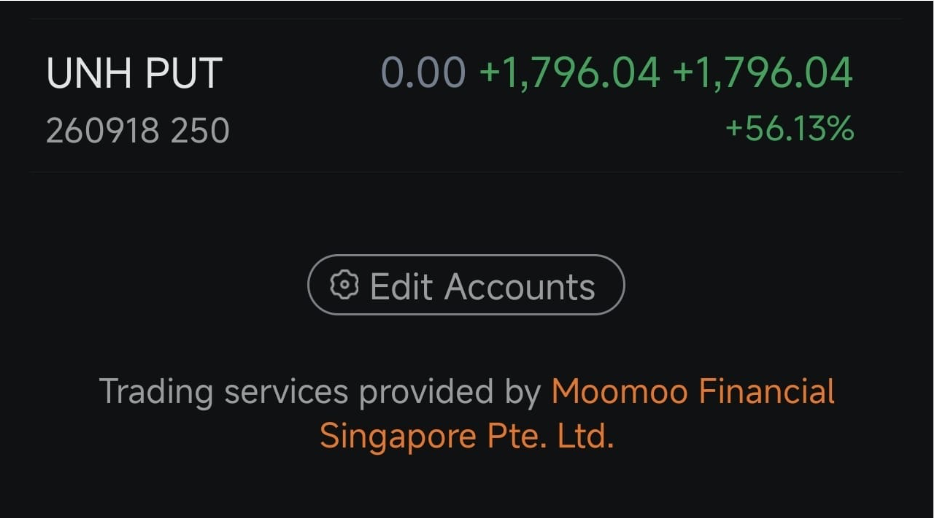
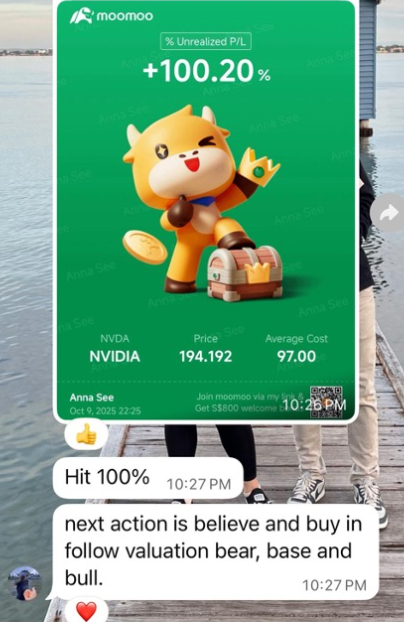
Instead of abandoning their approach, they went deeper, revisiting their valuation work, following company updates more closely, and building a decision structure that told them specifically what would need to change for their thesis to break. One of the positions they subsequently held achieved 100% gains
By January 2026, Anna was deploying capital into a new position using a fully structured allocation process, not reacting to price, but responding to conviction she had built and documented herself.
MJ Timeline
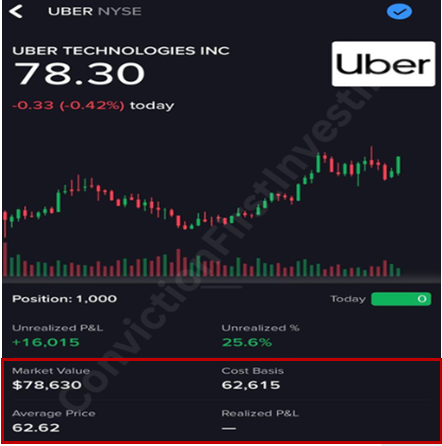
Tier $100K and above
Business owner
I understood stocks at a surface level. I could read a balance sheet. But I had no real process for deciding when I understood a business well enough to put serious capital behind it. That threshold , knowing when conviction is real versus just interest , was the thing that changed.”
MJ joined in July 2024 with a meaningful portfolio and some grounding in fundamental analysis but without a structured valuation framework or a consistent process for translating analysis into sizing decisions. He had the capital to make large moves. What he lacked was the confidence that his conviction was grounded deeply enough to justify them.

MJ applied the framework to the China EV sector, focusing his analysis on Li Auto, working through the business model, competitive dynamics, growth quality, management track record, and valuation with a margin of safety. As his conviction deepened through each layer of analysis, he began allocating capital in stages. By February 2025, his Li Auto position had grown to a six-figure allocation, not because the stock was moving, but because his analysis supported adding at the prevailing price.
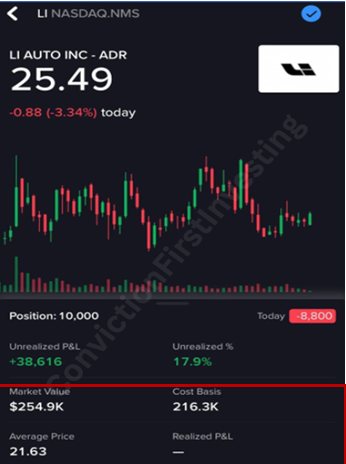
He subsequently applied the same process to other positions in the same sector. The result was five-figure net profits, generated from positions he understood deeply enough to hold through volatility rather than exiting when sentiment turned negative.

Hey, I'm Yuan Cheng
I'm a investment coach who help hands on investors like you to build a focused portfolio that generate returns.
My Strengths are:
Portfolio analysis: Building your capital allocation to the best performing stock ideas so that you can beat the market.
Value investing approach: Identify the right right price to pay foryour stock ideas so that your money is being rewarded
AI assisted stock research: Getting the root of the companies you wish to invest in covering the quality of the business, red flags & more.
My Timeline
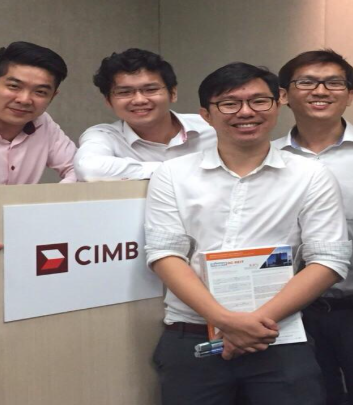
I started as a stockbroker at CIMB in Singapore
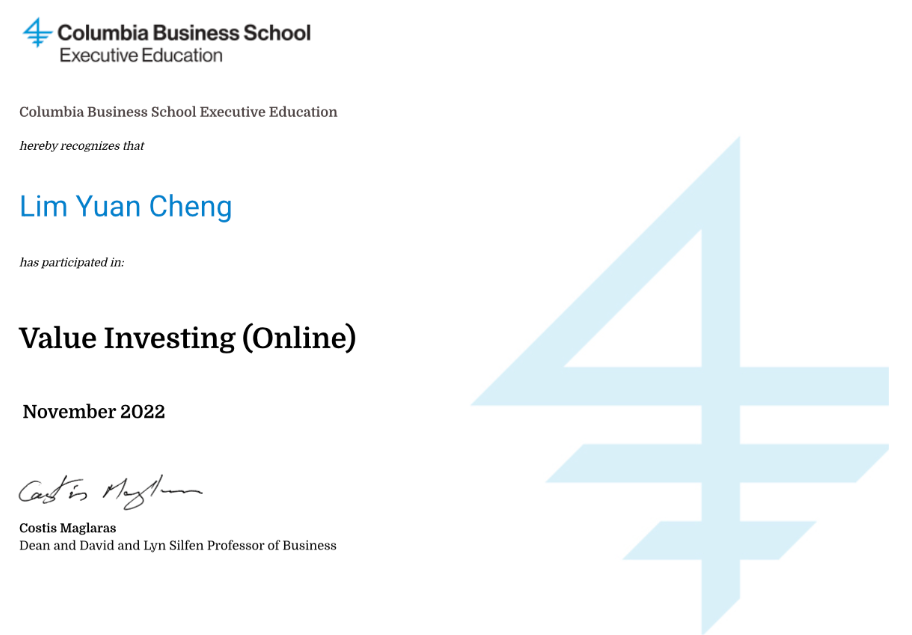
Learn value investing through Columbia Business School(online).
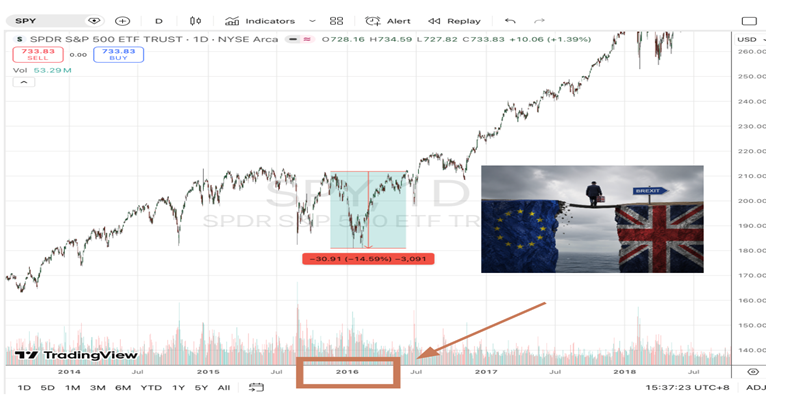
In the 2016 Brexit, selloff made the market fell 14%, I spread my money thin and had no idea which positions I truly believed in.
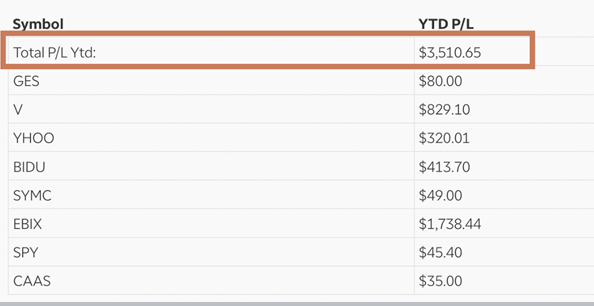
I spread my capital across popular names like Visa, Yahoo and made profits of $3,500
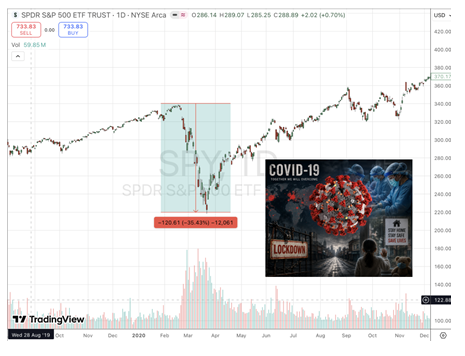
In the 2020 covid crash, the market fell 35%
I did the opposite. I put capital into my two or three best ideas, and that focus is what finally moved the needle.
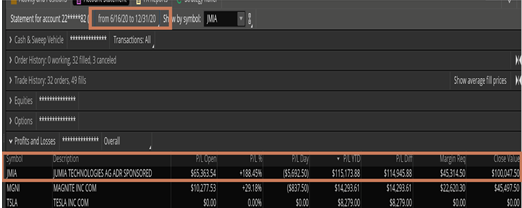
Since then I have coached over 5000 students to invest the same way.
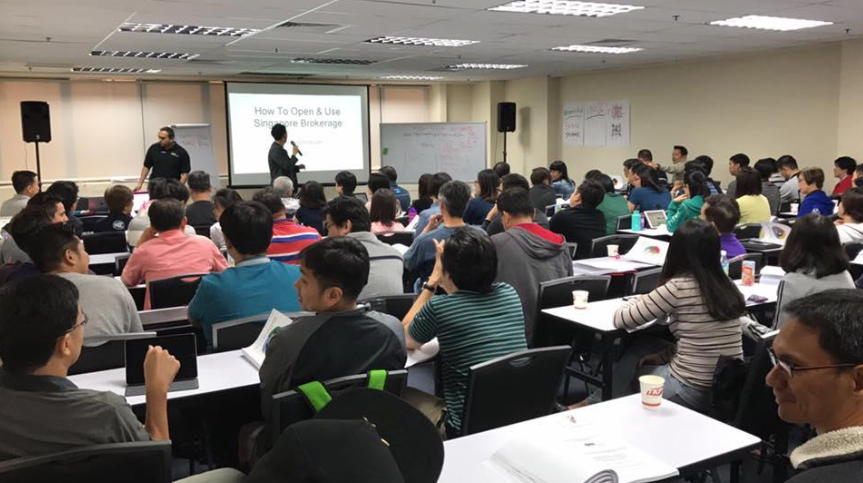
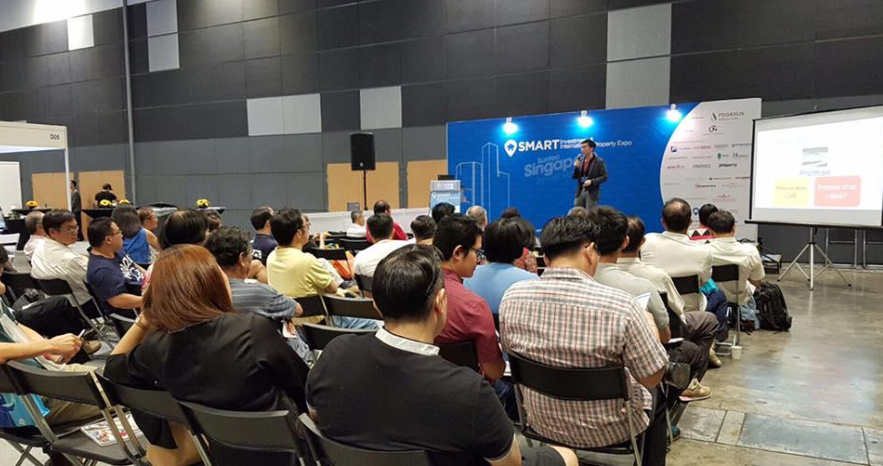
Want to me to analyze your portfolio?
we go through your actual holdings, position by position. You leave knowing which positions are worth keeping, which are dead weight, and what a focused version of your portfolio looks like. Yours to keep whether or not we ever work together. I will be in touch within 24 hours or less.
Copyrights 2026| Conviction first | Terms & Conditions